Performing a Comparison
Aireforge Compare provides a powerful tool to analyze configuration differences between multiple SQL Server instances. By following the steps below, you can ensure consistency across your environment and identify any configuration changes.
Step-by-Step Guide
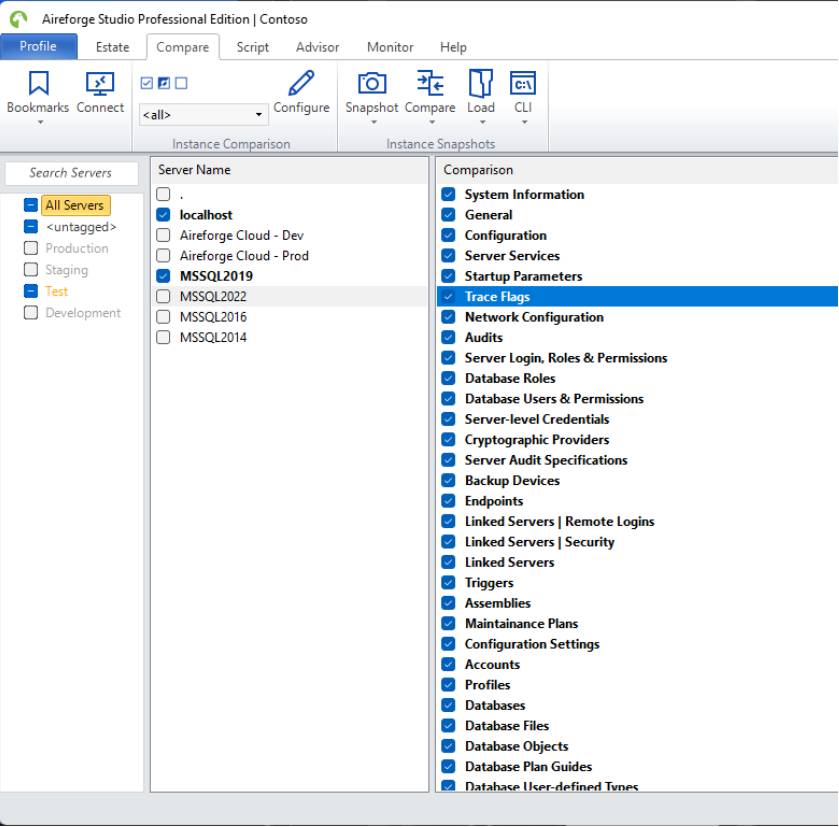
1. Open the Compare Tool
- Navigate to the 'Compare' section under the
Estatetab in Aireforge Studio. - The left panel will display your server tags, such as
Production,Development, orTest. Select the servers you wish to compare.
2. Select the Servers to Compare
- From the server list, select at least two servers by checking the boxes next to their names. The selected servers will appear in the top center panel.
- If needed, you can search for servers using the
Search Serversfield.
3. Choose the Configuration Categories to Compare
- In the right panel, you can select the specific configuration settings you want to compare. You can choose from categories like:
- Server Properties: Includes general settings, server services, security, and network configuration.
- Database Settings: Focus on database files, database roles, and table configurations.
- SQL Server Objects: Includes linked servers, cryptographic providers, backup devices, and more.
- Custom Comparisons: You can also create custom comparisons tailored to your environment, selecting only the items you need to track.
Tip: You can select all categories or customize your comparison by selecting individual items relevant to your needs.
4. Run the Comparison
- Click the
Comparebutton in the toolbar at the top of the screen. - Aireforge will begin fetching the configuration data from the selected servers and display the results in the
Comparison Resultswindow.
5. View the Results
- Once the comparison is complete, you can view the differences in a tabular format. Differences are color-coded for easy identification:
- Green: Indicates matching configurations.
- Orange: Indicates minor discrepancies or warnings.
- Red: Indicates significant differences that may require immediate attention.
- If needed, you can filter the results to show only the differences by enabling the "Show Differences Only" filter.
6. Save or Export Results
- You can take a snapshot of the comparison results for future reference or export the results to CSV format using the toolbar options. These actions make it easy to share or automate the review process.
For detailed steps on exporting comparison results, see the Exporting Comparisons Guide.
Common Use Cases
Consistency Checks: Ensure all production servers have the same configuration settings for optimal performance and security.
Audit Trail: Track configuration changes across your SQL Server environment, aiding in audits or post-deployment reviews.
Debugging: Use comparison results to identify differences when troubleshooting issues between different environments (e.g., Test vs. Production).